

Finding a Way to Talk About What's Going On
Perhaps you have become used to keeping things to yourself. You might be feeling anxious, low or overwhelmed, but find it difficult to put into words what is happening. Maybe you are managing work, family and everyday responsibilities while privately struggling with thoughts and feelings that are becoming harder to contain.
For some men, anxiety shows up as constant thinking, irritability or a need to stay busy. Depression might feel more like emptiness, exhaustion or disconnection than sadness. Sometimes emotional distress comes out as anger: becoming frustrated easily, having a shorter temper or reacting more strongly than you would like.
Perhaps you are experiencing relationship difficulties, pressure at work, struggles with fatherhood, grief or a growing sense of losing direction. You might find yourself withdrawing from others or feeling disconnected from those closest to you.
You may recognise that something isn't quite right but wonder whether talking to a therapist would actually help. Perhaps you have always dealt with things yourself, aren't sure what you would say, or question whether talking will make any difference.
You don't need to have all the answers before considering therapy.
Why can men find it difficult to seek counselling?
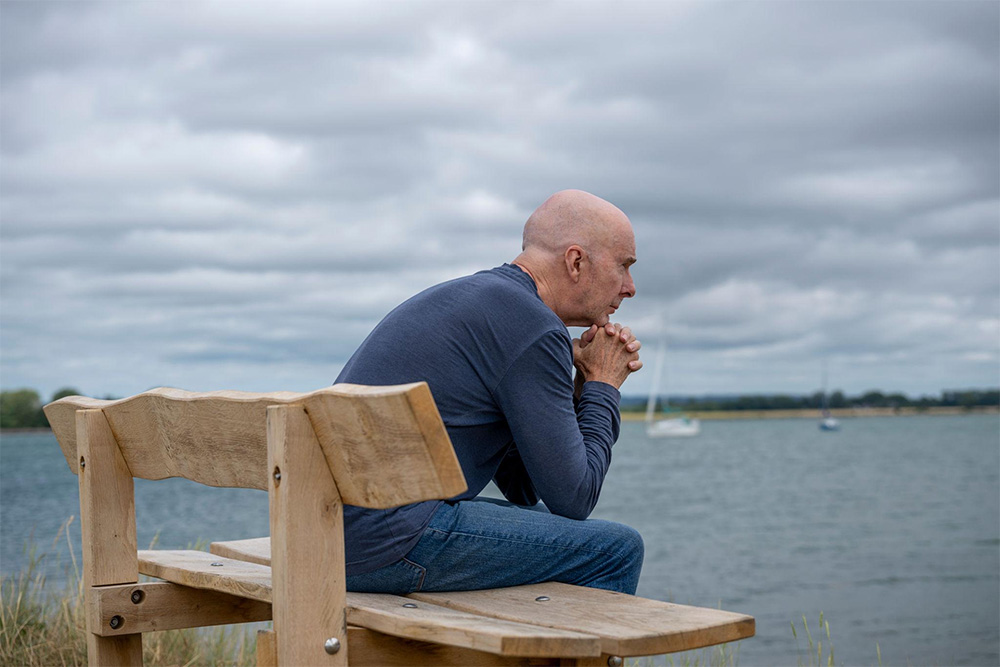
Many of us grow up with expectations about masculinity: being strong, independent, capable and able to manage without help. You may have absorbed messages that showing vulnerability is weakness, emotions should be kept private, or asking for support means you have somehow failed.
Perhaps you have developed ways of managing difficult feelings through keeping busy, focusing on work, withdrawing or staying in control. Anger can also emerge when feelings such as hurt, fear or powerlessness are harder to recognise or express.
These responses may have helped you through challenging experiences. However, ways of coping that once served a purpose can sometimes begin to restrict us, affecting relationships, work and how we feel about ourselves.
Rather than seeing these patterns as something wrong with you, we can become curious about how they developed and whether they are still helping you.
How can working with me help?
Working together offers an opportunity to explore what's happening with someone who can listen, think alongside you and help you make sense of your experiences. It isn't about being told what to do or receiving ready-made solutions.
We might begin with something practical: recurring arguments, difficulties at work, anger that feels difficult to manage or a sense that something is missing from your life. Together, we can explore your relationships, life history and the experiences that may have shaped how you see yourself and relate to others.
My approach is informed by Transactional Analysis (TA), which helps us understand familiar patterns of thinking, feeling and relating. Developing awareness of these patterns can create opportunities for different responses and greater freedom and choice.
I work relationally and collaboratively, offering space to be heard while gently challenging you when helpful. The direction and pace of our work are something we develop together.
Finding a therapist you can trust
Choosing a therapist is personal. Feeling comfortable, respected and able to speak openly matters. Confidentiality is central to my practice, subject to the usual legal and ethical limits, including serious concerns about safety.
I'm Ben Hylands, an experienced Psychotherapeutic Counsellor based in Brighton & Hove. I hold a Level 6 Diploma in Psychotherapeutic Counselling, am NCPS Accredited and a registered member of BACP. Both organisations have registers accredited by the Professional Standards Authority (PSA).
I offer individual and couples counselling and psychotherapy, in person and online.
Taking the first step
I offer a free 20-minute telephone or online video consultation. It's an opportunity to ask questions, find out more about how I work and decide whether it feels like a good fit. There's no obligation to continue.
You don't have to wait until things become unmanageable to seek support. Sometimes the first step is simply having a conversation about what's going on.
If you would like to explore counselling or psychotherapy in Brighton & Hove, or online, I would welcome you getting in touch.